How to Write SEO-Friendly Page Titles That Improve Search Visibility
Your page title is often the first thing users see in search results. A well‑crafted title can increase click‑through rates, help search engines understand your content, and drive more organic traffic to your website.
What Is an SEO-Friendly Page Title and Why Does It Matter?
A page title is the first impression your content makes on both users and search engines. Optimizing it correctly can significantly boost your click‑through rate and rankings.
What Is a Page Title?
The title tag is the clickable headline that appears in search engine results and browser tabs.
SEO Importance
Search engines use the title to understand the page topic and rank it for relevant queries.
User Experience
A clear, compelling title helps users quickly decide whether your page matches their needs.
Key Elements of a High-Quality SEO Page Title
A well‑optimized title balances keyword relevance, user intent, and brand presence. Use the checklist below to audit your page titles.
How Search Engines Understand and Evaluate Page Titles
Crawling
Search bots discover your page and read the title tag in the HTML.
Understanding Content
The title helps algorithms determine the main topic of the page.
Matching Search Intent
Search engines compare the title with user queries for relevance.
Ranking Evaluation
A well‑optimized title can improve click‑through and ranking potential.
Step‑by‑Step Process to Write Effective SEO‑Friendly Titles
Understand Search Intent
Determine what users really want when they type a query.
Research Target Keywords
Identify primary and secondary keywords your audience uses.
Create Clear Title Structure
Place the main keyword near the start and keep it natural.
Add Unique Value
Include a benefit or differentiator that makes your page stand out.
Optimize Length & Readability
Keep titles between 50–60 characters and easy to scan.
Test & Improve Performance
Monitor click‑through rates and adjust titles for better results.
Best Practices for Creating Click-Worthy Page Titles
Your page title is often the first impression in search results. Follow these proven practices to craft titles that attract clicks, match user intent, and improve rankings.
Use Clear and Specific Words
Vague titles confuse users. Be precise about what the page offers — avoid jargon and keep it simple.
Match Search Intent
Ensure the title reflects the user's goal — informational, commercial, or transactional — to meet expectations.
Add Unique Value
Stand out from competitors by highlighting what makes your content better — data, insights, or exclusive info.
Keep Titles Readable
Write for humans first. A natural, conversational tone wins over robotic keyword-loaded phrases.
Use Target Keywords Naturally
Place primary keywords near the beginning, but only if it reads smoothly. Avoid forced repetition.
Create User-Focused Messaging
Address the user's pain point directly. Titles that promise a solution or benefit perform better.
Avoid Clickbait Titles
Misleading titles increase bounce rates and hurt trust. Deliver on what the title promises.
Test and Improve Titles
Monitor click-through rates in Search Console. Experiment with variations to find what resonates.
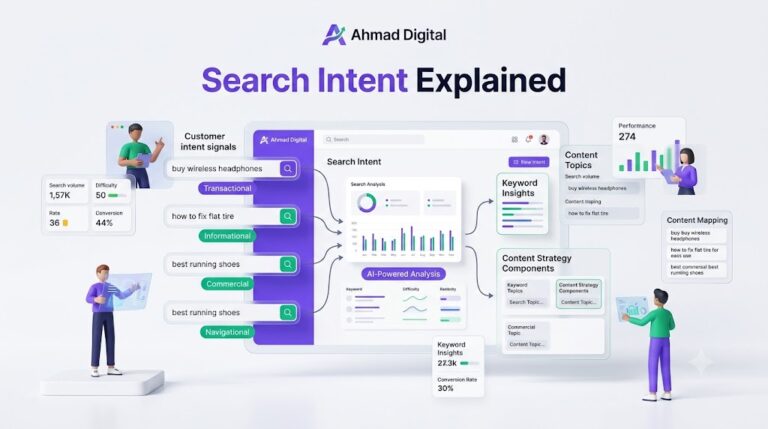
Understanding search intent helps create page titles that match what users are looking for.
Common Page Title Mistakes That Hurt SEO Performance
Even well-intentioned titles can undermine your SEO efforts. Recognizing these common errors is the first step toward titles that actually drive traffic and conversions.
Many websites struggle with ranking because of technical and content-related common SEO mistakes that can be easily fixed.
"SEO Services, Best SEO, Cheap SEO, SEO Agency"
"Professional SEO Services for Small Businesses"
Same title on multiple pages
Each page deserves a distinct, relevant title
"Marketing Solutions"
"Digital Marketing Solutions for Ecommerce Growth"
Mismatched content type
Align title with the page's actual content and purpose
Truncated in SERPs, losing key info
Aim for 50-60 characters to avoid cutoff
How to Optimize Page Titles for Search Intent
Different search intents require different title approaches. Tailor your titles to what users expect at each stage of their journey.
Informational Intent
Users want to learn or understand something.
Commercial Intent
Users compare options before buying.
Transactional Intent
Users are ready to take action.
Navigational Intent
Users search for a specific brand or site.
Learn more about search intent to refine your title strategy further.
SEO Page Title Examples for Different Types of Websites
See how optimized titles differ across industries. These examples show the difference between average and high-performing titles.
Professional Services Firm
The optimized version describes the service and includes a keyword, helping users and search engines understand the page immediately.
Online Store Category
Includes the primary keyword, a benefit (free shipping), and a clear action, making it much more clickable in search results.
How-To Article
Blog titles should clearly state the topic and promise a solution. The optimized version matches informational intent perfectly.
Local Service
Adding location and urgency makes the title more relevant for local searches and high-intent users.
Restaurant
Incorporates location, primary keyword, and a clear next step for the user.
Choosing the right keywords for your website is important before creating SEO titles.
Tools and Methods to Improve Your Page Title Strategy
A structured workflow helps you consistently create effective titles. Use this proven process from research to performance tracking.
Keyword Research
Identify the primary and secondary keywords your audience uses when searching for your topic.
Competitor Analysis
Examine the title structures of top-ranking pages. Note what works and where you can differentiate.
Search Intent Review
Check the SERP to understand the dominant intent. Ensure your title promises the right content type.
Title Optimization
Craft a title that includes the primary keyword, conveys value, and stays within 50-60 characters.
Performance Monitoring
Track click-through rates in Search Console. Experiment and iterate based on data.
Keyword research for a small business helps you understand what users search before creating optimized titles. Also, refer to our on-page SEO checklist for a complete optimization guide.
How Ahmad Digital Helps Businesses Improve SEO Content Strategy
We combine deep technical knowledge with creative content planning. Explore our SEO Services, Technical SEO Services, and Local SEO Services to see how we can help your business grow.
Contact Ahmad DigitalSEO Audit
Thorough technical, content, and competitor analysis.
Keyword Research
Identify high‑value terms your audience uses.
Search Intent Analysis
Match content with what users actually want.
Content Optimization
Improve titles, structure, and on‑page elements.
Performance Improvement
Monitor, test, and refine for sustainable growth.
Related SEO Resources to Improve Your Website Performance
Frequently Asked Questions About SEO-Friendly Page Titles
Ready to Improve Your Website's SEO Performance?
Let's craft page titles and content that drive real organic traffic.
Final Thoughts: Create Better Page Titles for Long-Term SEO Growth
Page titles are one of the most impactful yet often overlooked elements of on‑page SEO. When you align them with user intent, use keywords naturally, and make them compelling, you build a stronger foundation for sustainable organic visibility.